
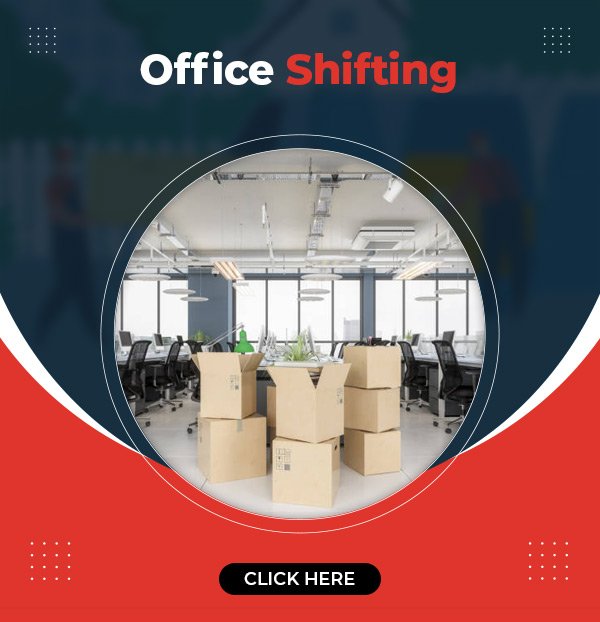
Office Shifting: Your Complete Guide to a Smooth, Stress-Free Move
Moving an office involves much more than just transporting desks and computers. It’s a strategic process that impacts employee productivity, client communication, and overall business success. Office shifting can mean expanding, downsizing, or moving to a more convenient location.
In today’s competitive business world, companies can’t afford downtime. That’s why having a well-planned office move is so important.
Why Office Shifting Requires Strategic Planning
Moving an office is different from moving homes. It needs careful planning, involves sensitive information and expensive equipment, and requires close teamwork with employees. Even a small mistake can cause major business problems.
A well-structured relocation plan should include:
● A timeline with clear milestones
● Department-wise moving schedules
● Inventory management of assets
● IT infrastructure transition planning
● Communication with employees and clients
Start planning at least 4 to 6 weeks ahead to avoid last-minute problems and keep everyone on track.
Creating a Step-by-Step Office Shifting Plan
Careful planning is key to a successful office move. Following clear steps helps everyone stay organized.
1. Conduct an Internal Assessment
Start by looking at these important factors:
● The size of the new workspace
● Furniture and equipment requirements
● Network and electrical setup
● Storage and cabin arrangements
This way, you can ensure the new office supports your team’s work smoothly.
2. Assign a Relocation Team
A small team should be appointed to oversee the entire office shifting process. This team should coordinate with service providers and ensure the relocation is carried out successfully.
Good leadership keeps things clear and helps decisions get made quickly.
3. Inventory and Asset Labelling
Make a detailed inventory of:
● Office furniture
● Computers and servers
● Printers and electronic equipment
● Important documents
Label items by department. This makes unpacking and setting up at the new office much easier.
4.Managing IT and Data During Office Shifting
Technology is essential for every business today. When moving offices, it’s important to make sure that:
● Data is safely backed up
● Servers are handled safely
● Internet connectivity is established in advance
● Systems are tested before starting to work again
If you move over the weekend and test everything before Monday, your team can get back to work without losing productivity.
5. Minimizing Downtime During Relocation
The top priority during a move is keeping your business running. Here are some steps to help reduce downtime:
● The shifting should be planned during weekends or holidays
● The clients should be informed about the shift in advance
● The essential departments should be set up first
● Trial runs should be conducted before starting business again
Even small choices during the move can have a big impact on your business.
6.Post-Move Setup and Optimization
The job isn’t done once everything arrives. Success means getting your new office up and running as soon as possible.
After shifting the offices:
● Arrange furniture based on the workflow
● Verify electricity and internet connections
● Update the address on official documents and communication materials
● Have a quick meeting with the employees to discuss any issues
Helping your team settle in quickly will lift their spirits and keep them engaged.
